
In this article
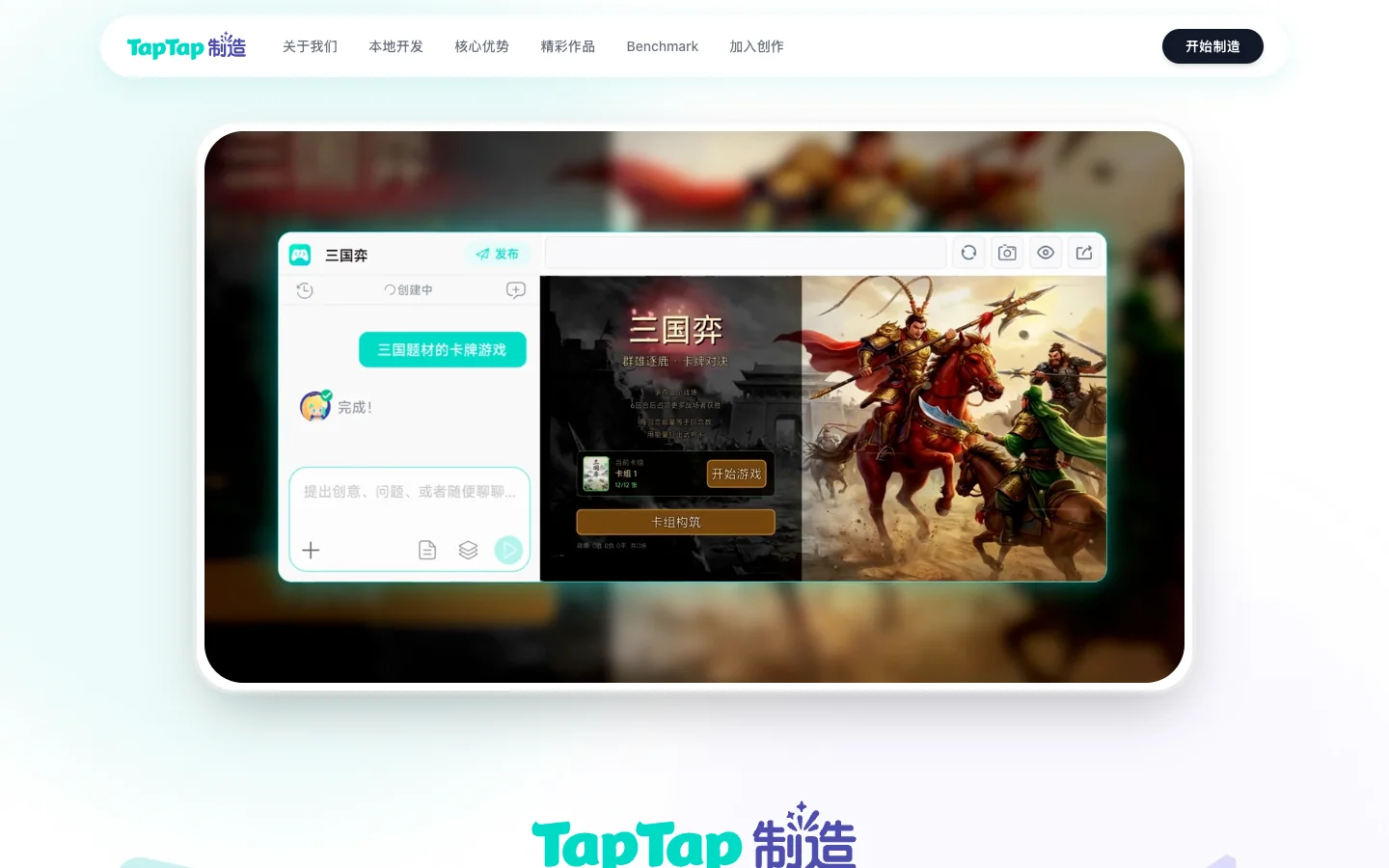
- August 11, 2026: TapTap Maker opens web testing
- October 7, 2026: Google announces Playground
- October 10, 2026: two small workflows reach different endpoints
- October 12, 2026: an interrupted generation and public-platform observations
- October 13, 2026: the five-coin synthesis is published
- What these dates help us understand
A timeline is useful when it explains what changed and what was actually observed. This selective record uses material already documented by AI GameScope. It is not a complete history of AI games, a launch-date database or a fresh verification of every linked product.
Dates below distinguish a product event, a source’s publication, our own check and our article’s publication. An October observation must not be used to backdate a feature to a platform’s original launch.
August 11, 2026: TapTap Maker opens web testing
Product event date from the announcement body. The official open-testing announcement explicitly dates web access without invitation eligibility to August 11, 2026. This is a web-access change, not the product’s first launch. Our October 16 source audit refines the earlier month-only entry to a day. The page’s modification date does not replace the opening date stated in its body.
Separately, an August 13 ChinaJoy interview discussed connecting a creator’s own Agent and finding players. Our workflow analysis distinguishes those statements from tested abilities. Engine open source was described as a future plan, not an accepted outcome. Neither record establishes free generation or a completed publication workflow.
October 7, 2026: Google announces Playground
Product announcement date. Google’s announcement introduces browser game creation, revision and sharing. Our profile separately records Help Center descriptions of ZIP export and access conditions checked on October 10.
The announcement matters as an additional model-provider route into game creation. Our interpretation is that creators should compare the destination and maintainability of the output, alongside generation. This is editorial analysis, not a reported market-share result. We have not generated or exported a Playground project.
October 10, 2026: two small workflows reach different endpoints
AI GameScope experiment date; not a product launch. The Rosebud session produced a preview with collection, victory and resets; a speed revision passed subsequent checks. Export was unavailable on the tested Newbie account.
The GDevelop session needed a restart repair, then produced an HTML5 build checked on an independent host in a fresh session. Its separate editable source retained remote resources. These records show why preview, running build and editable handoff should be tracked separately. They do not establish equivalent-plan speed or quality rankings.
October 12, 2026: an interrupted generation and public-platform observations
AI GameScope check date. The CraftBuddy attempt was manually stopped after about 22 minutes without an operable preview. After refreshing, the displayed balance was 113 points lower. That is a dated interrupted attempt, not a typical completion time or successful-game price.
The same date’s public-source work covered TapTap’s local workflow and Xingxia’s creator support. The Xingxia article combines a media interview with a public homepage check. Its October 12 check date is neither the interview’s assumed publication date nor Xingxia’s launch date. The editorial question expands from generation to adaptation, maintenance and discovery; no creator income or sustained player behavior was independently measured.
October 13, 2026: the five-coin synthesis is published
AI GameScope article publication date. After five coins brings the October 10 and 12 experiments together. Its publication date does not change the dates of the underlying sessions. The October 16 revision adds a stage-by-stage comparison and records the mismatched account and revision conditions.
This distinction matters for future readers: an article can improve its explanation without conducting a new product test. Historical failures remain attached to the version and conditions actually observed.
What these dates help us understand
Access and completed creation are separate stages. TapTap’s August announcement changes web eligibility; Google’s October announcement introduces another creation and sharing platform. Neither establishes whether a reader can finish a particular brief. First establish account access, then operate a small rule loop in the actual preview.
The intended endpoint changes the choice. In the five-coin experiments, Rosebud reached a playable and revised preview, GDevelop an independent web build, and CraftBuddy was still generating at termination. Those dated differences inform another trial, not overall rankings for complex games, different accounts or later versions.
Maintenance and discovery need their own evidence. Local development descriptions, public galleries and reported creator support raise different questions about maintaining projects, publication and finding players. Obtain a project that opens in a clean environment, a public version a new visitor can operate, and player data with a defined observation window. Existing records do not establish industry growth, site traffic or creator earnings.
This is a selective timeline around delivery, not a count of industry activity. The TapTap announcement, Google announcement and ChinaJoy interview were rechecked October 16; site experiments keep their original dates, with no new generation test. Planned launches remain plans until confirmed. The delivery field guide organizes acceptance methods and further reading by goal.